














Statistical Analysis & Computing Skill

Statistical analysis and computing form the bedrock of data-driven decision-making, playing a pivotal role in various fields, including science, business, and social sciences. Statistical analysis involves the use of mathematical techniques to analyze and interpret data, extracting meaningful insights and patterns. This process encompasses descriptive statistics for summarizing data, inferential statistics for drawing conclusions, and hypothesis testing for making predictions based on samples.Computing, in the context of statistical analysis, refers to the application of computational methods and algorithms to process, manage, and analyze data efficiently. The advent of powerful computing technologies has revolutionized statistical practices, enabling the handling of large datasets and the implementation of complex statistical models.Modern statistical computing often involves the use of programming languages such as R, Python, and Julia, along with specialized libraries and tools like RStudio or Jupyter Notebooks. These platforms facilitate data manipulation, visualization, and the implementation of advanced statistical models.The synergy between statistical analysis and computing has led to the development of sophisticated techniques like machine learning and Bayesian statistics, allowing practitioners to extract deeper insights from data. As data complexity continues to grow, the integration of statistical analysis and computing remains essential for informed decision-making and scientific discovery in our data-driven world.
Statistical Analysis & Computing Sub Skills
Loading Skills...

Loading...
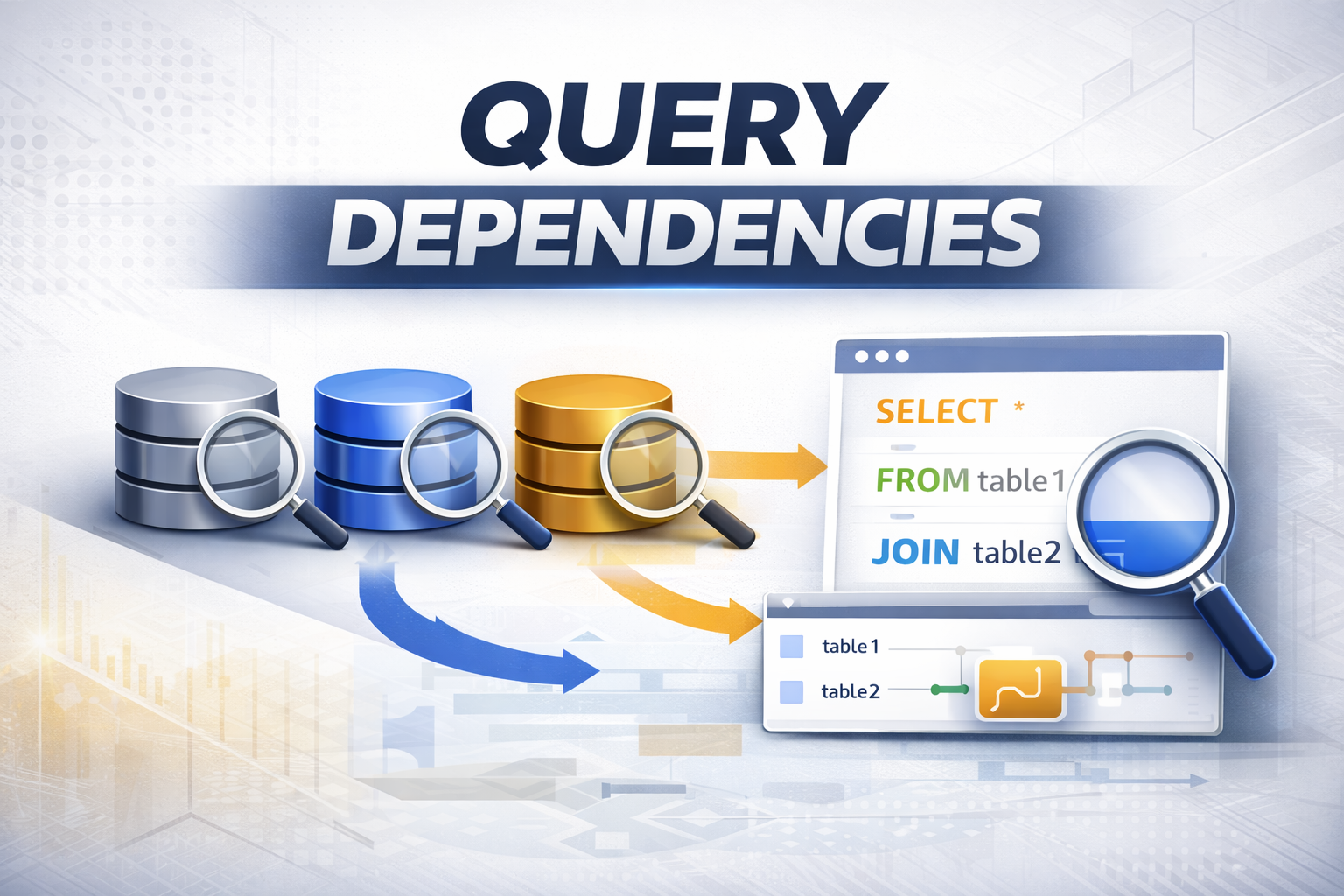
Query Dependencies in Power BI Explained
Data Science
Data Engineering: DWH and Big Data
Query Dependencies in Power BI: Understanding...
Power BI Introduction – Learn Data Visualization
Data Science
Data Engineering: DWH and Big Data
Power BI Introduction: Transforming Data Into...
Talend ETL Introduction – Complete Guide for Beginners
Data Science
Data Engineering: DWH and Big Data
Talend ETL Introduction: The Visual Data...