









Reinforcement Learning Skill

Reinforcement learning (RL) is a machine learning paradigm where an agent learns to make decisions by interacting with an environment. The agent receives feedback in the form of rewards or penalties based on the actions it takes, and its objective is to learn a strategy that maximizes cumulative rewards over time. RL is inspired by the way humans and animals learn from trial and error.In RL, the agent explores the environment, takes actions, receives feedback, and updates its strategy accordingly. The core components of reinforcement learning include the agent, the environment, actions, rewards, and policies, which define the strategy.Key algorithms in reinforcement learning include Q-learning, deep Q networks (DQN), and policy gradient methods. These algorithms have found success in various applications, such as game playing, robotics, finance, and autonomous systems.Reinforcement learning poses unique challenges, such as the exploration-exploitation trade-off and dealing with delayed rewards. It has gained popularity due to its ability to tackle complex problems where explicit programming or supervised learning may be impractical.The applications of reinforcement learning continue to grow, with advancements in deep reinforcement learning, enabling agents to learn from high-dimensional and complex data, making it a pivotal area in the development of intelligent systems and autonomous agents.
Reinforcement Learning Sub Skills
Loading Skills...

Loading...
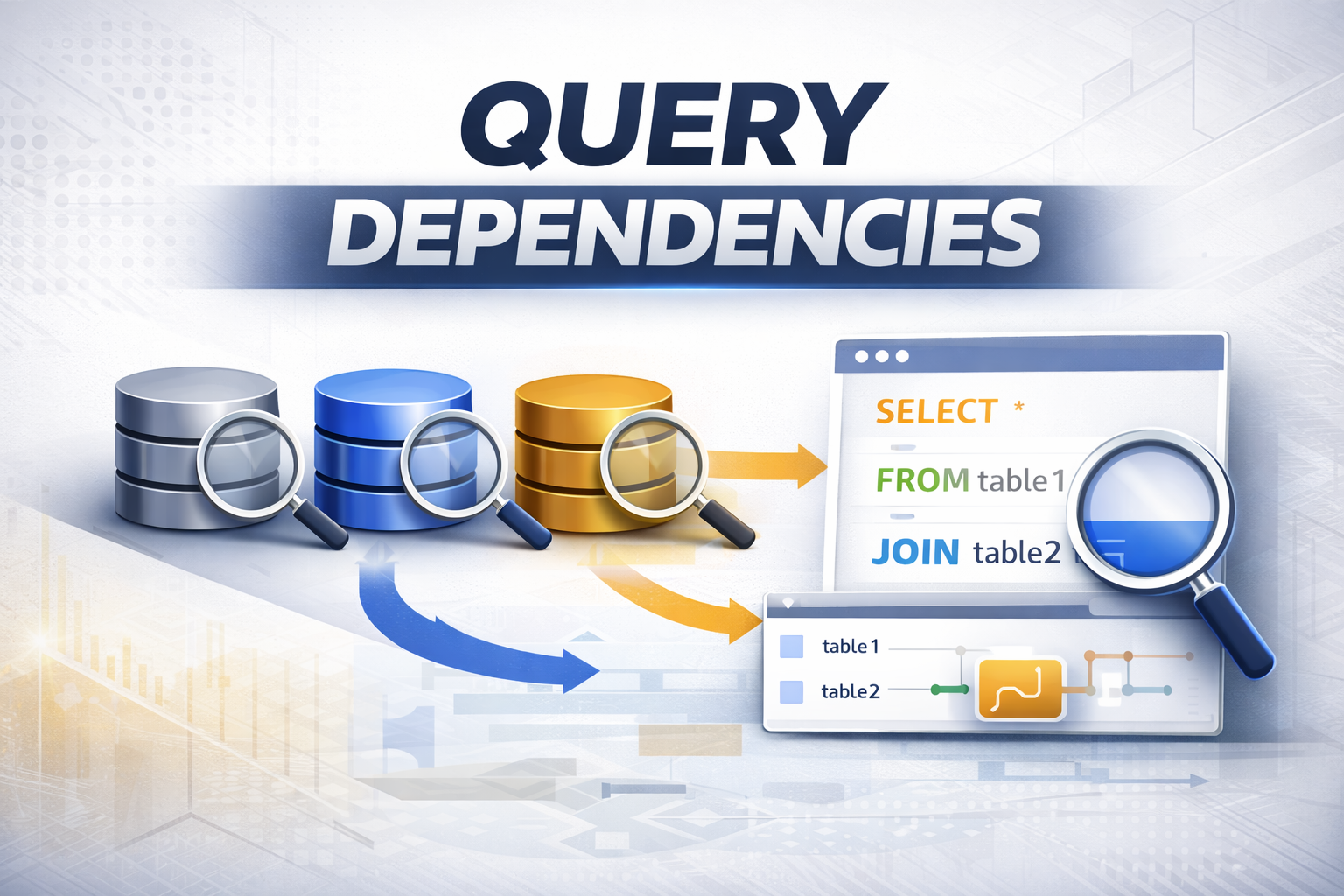
Query Dependencies in Power BI Explained
Data Science
Data Engineering: DWH and Big Data
Query Dependencies in Power BI: Understanding...
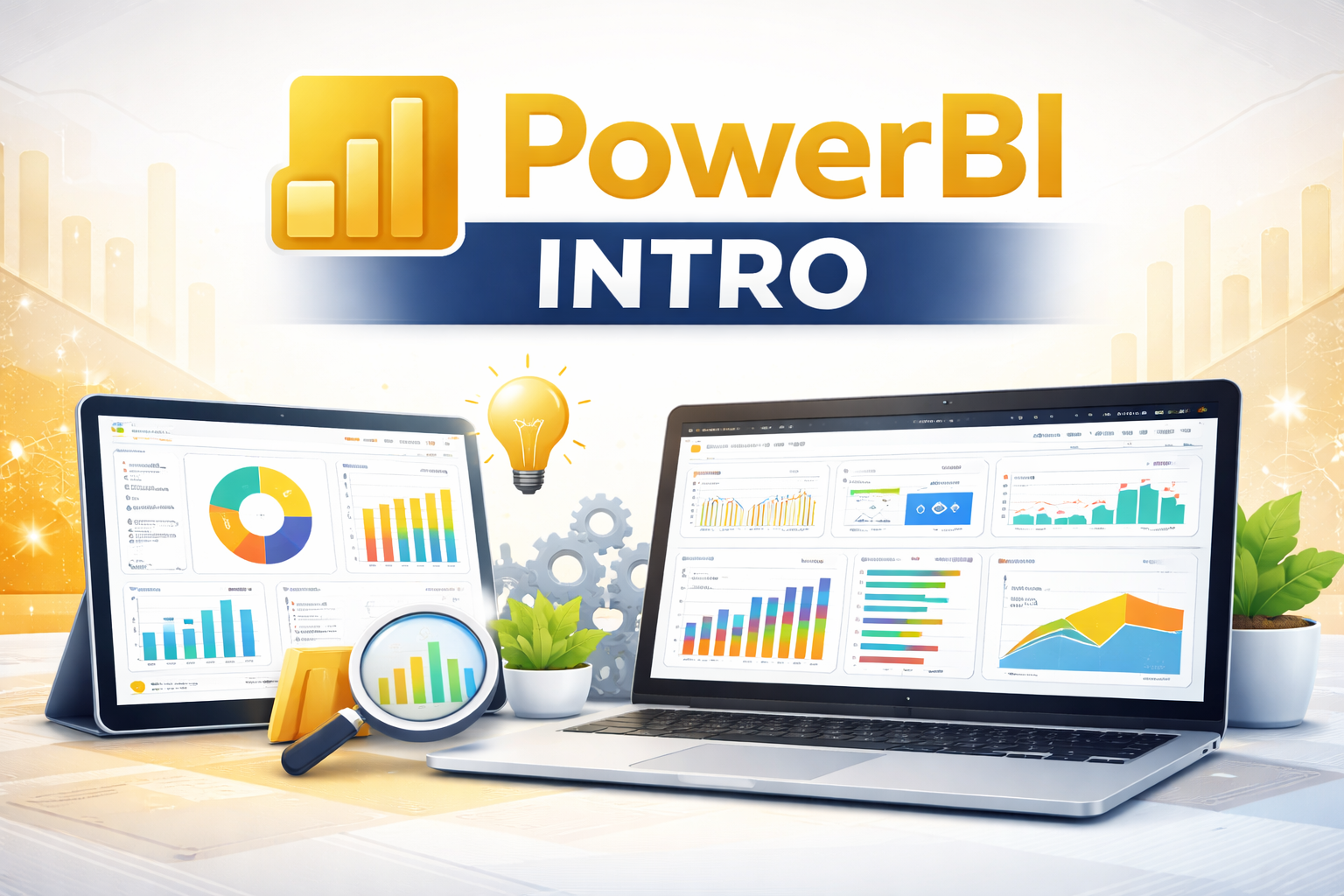
Power BI Introduction – Learn Data Visualization
Data Science
Data Engineering: DWH and Big Data
Power BI Introduction: Transforming Data Into...
Talend ETL Introduction – Complete Guide for Beginners
Data Science
Data Engineering: DWH and Big Data
Talend ETL Introduction: The Visual Data...