









K means Clustering Skill

K-means clustering is a popular unsupervised machine learning algorithm used for partitioning a dataset into K distinct, non-overlapping subsets or clusters. Each cluster is represented by a centroid, and data points are assigned to the cluster whose centroid is closest to them in terms of Euclidean distance.The algorithm follows an iterative process: initial centroids are randomly assigned, data points are assigned to the nearest cluster, and centroids are recalculated as the mean of the points in each cluster. This process repeats until convergence, with centroids and cluster assignments stabilizing.The choice of K, the number of clusters, is a crucial parameter, and different initializations may result in different final clusters. The algorithm converges to a local minimum, and multiple runs with different initializations can help find a better overall solution.K-means clustering finds applications in various fields, including image segmentation, customer segmentation, and anomaly detection. It's computationally efficient and straightforward, making it a versatile tool for exploring patterns in large datasets. However, its performance can be impacted by outliers and the sensitivity to the initial placement of centroids, and care should be taken in interpreting results and choosing an appropriate K value.
K means Clustering Sub Skills
Loading Skills...

Loading...
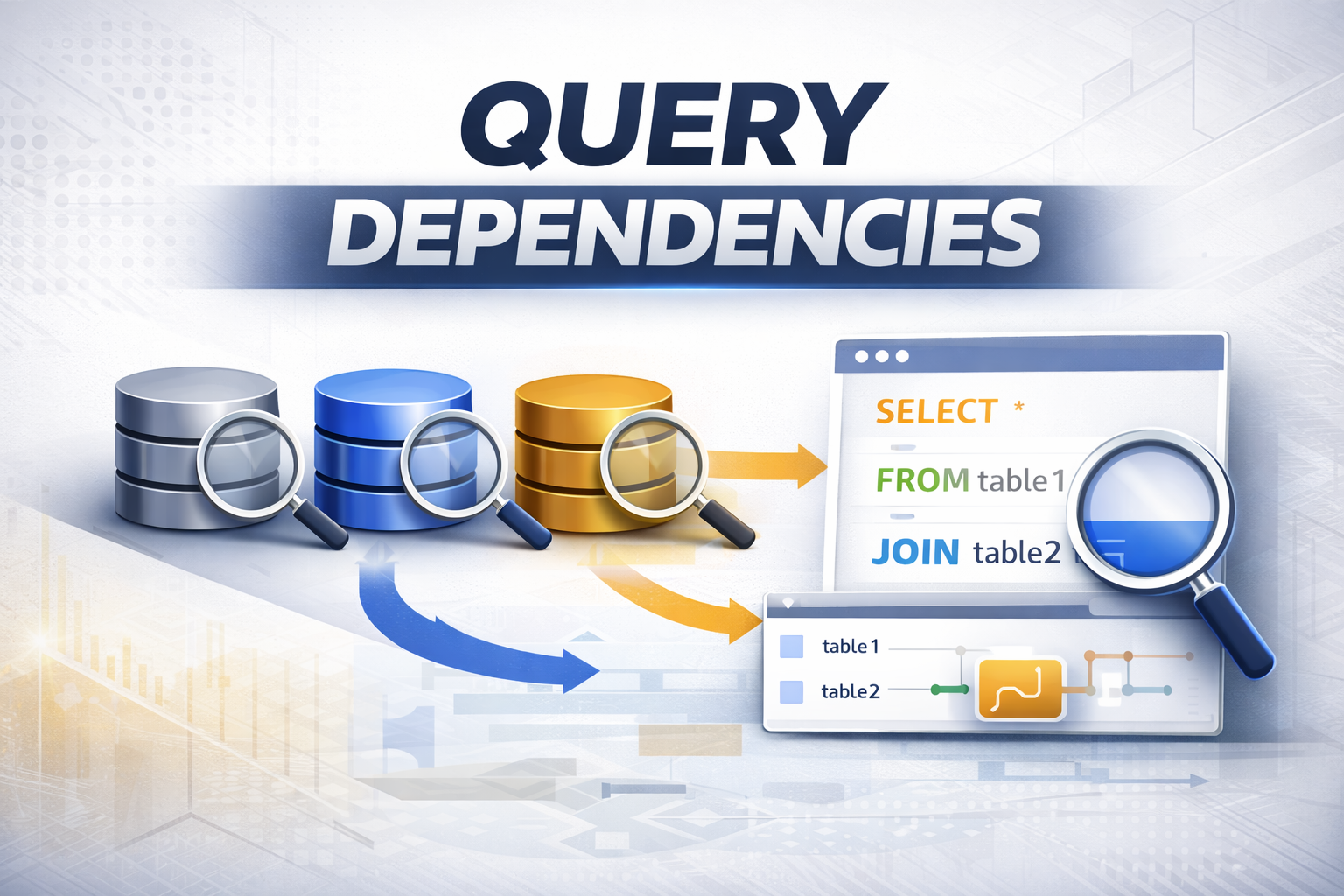
Query Dependencies in Power BI Explained
Data Science
Data Engineering: DWH and Big Data
Query Dependencies in Power BI: Understanding...

Power BI Introduction – Learn Data Visualization
Data Science
Data Engineering: DWH and Big Data
Power BI Introduction: Transforming Data Into...

Talend ETL Introduction – Complete Guide for Beginners
Data Science
Data Engineering: DWH and Big Data
Talend ETL Introduction: The Visual Data...